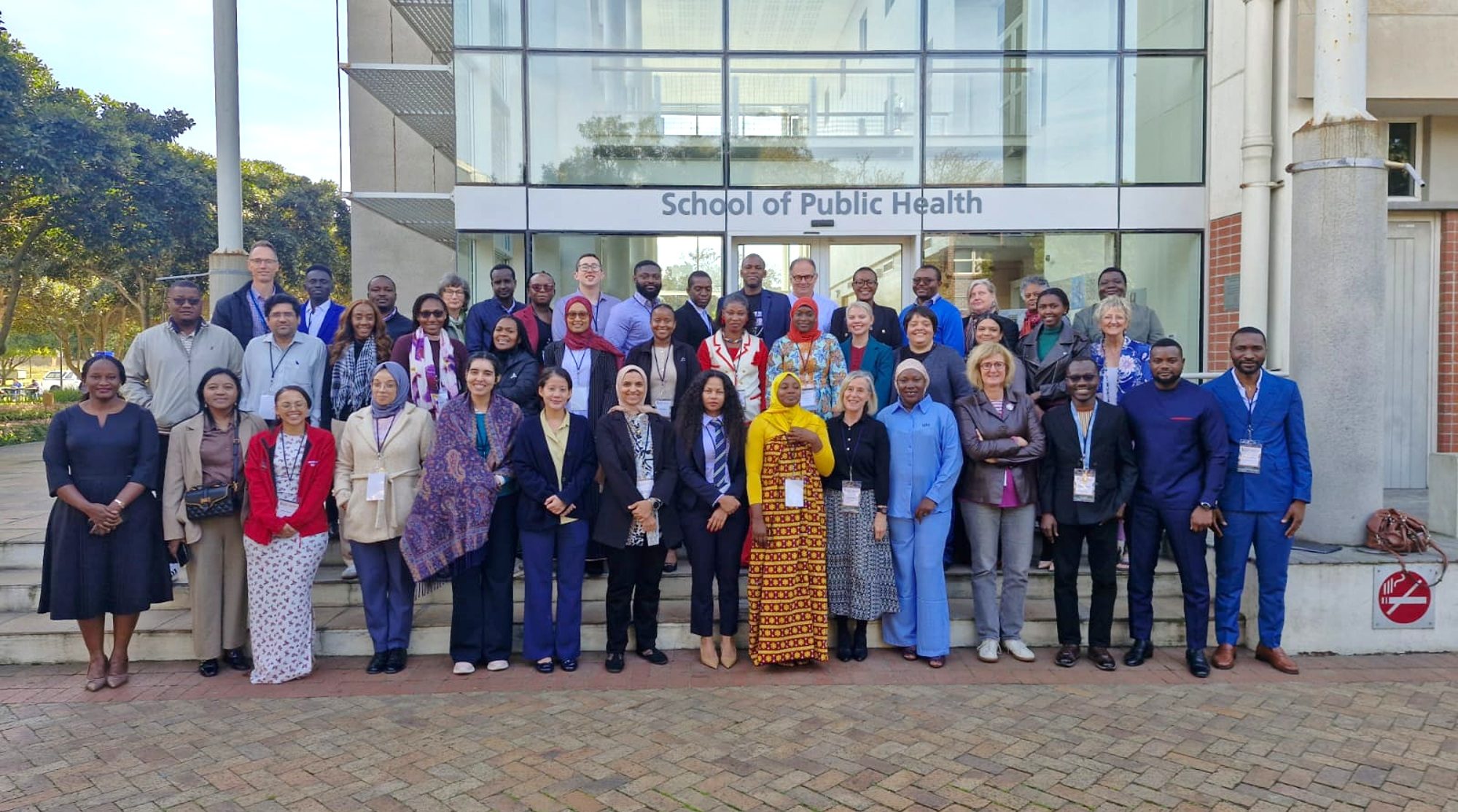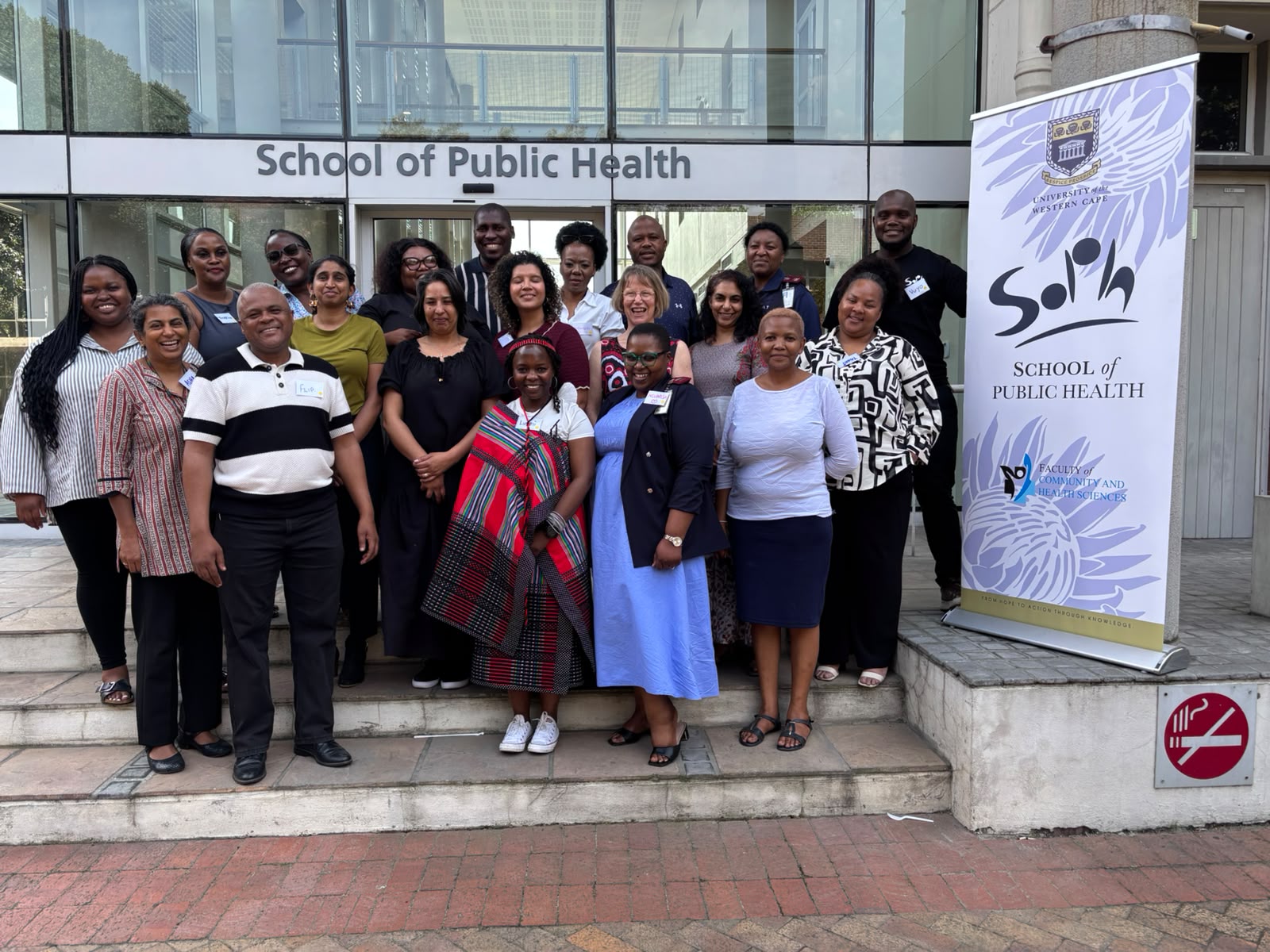
Strengthening Trauma-Informed Leadership: A Collaborative Engagement with City Health Managers
Area East City Health managers partnering with UWC School of Public Health to strengthen Trauma-Informed Leadership.


Hundreds turned out to UWC’s School of Public Health to pay tribute to the late David Sanders
Since news of David Sanders’ sudden and untimely death broke on Saturday morning the tributes, messages and condolences via emails, whatsapp, phone calls, Facebook and Twitter have not stopped pouring in.
Like many public health practitioners, I first got to know David Sanders through his book, ‘The Struggle for Health’. I read it in 1991, six years after it was published. I still have that book, and it sits in my current office.
Amid the huge gap that has been left by David’s death, most intensely for his family, the outpouring of tributes and messages is testament to the countless individuals he influenced across the corners of the world.
David Sanders, an internationally renowned paediatrician and public health researcher, has spent fifty years involved in struggles for health in Zimbabwe, the UK and South Africa.
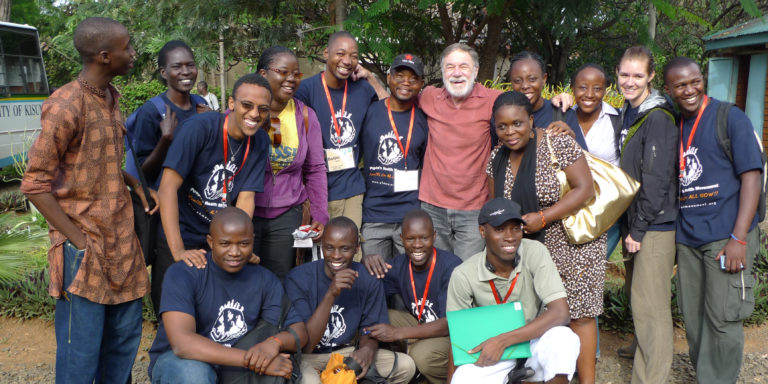
The sudden and unexpected death of public health activist and teacher Professor David Sanders has left the health community in South Africa and beyond saddened, but determined to make sure that they continue his work.
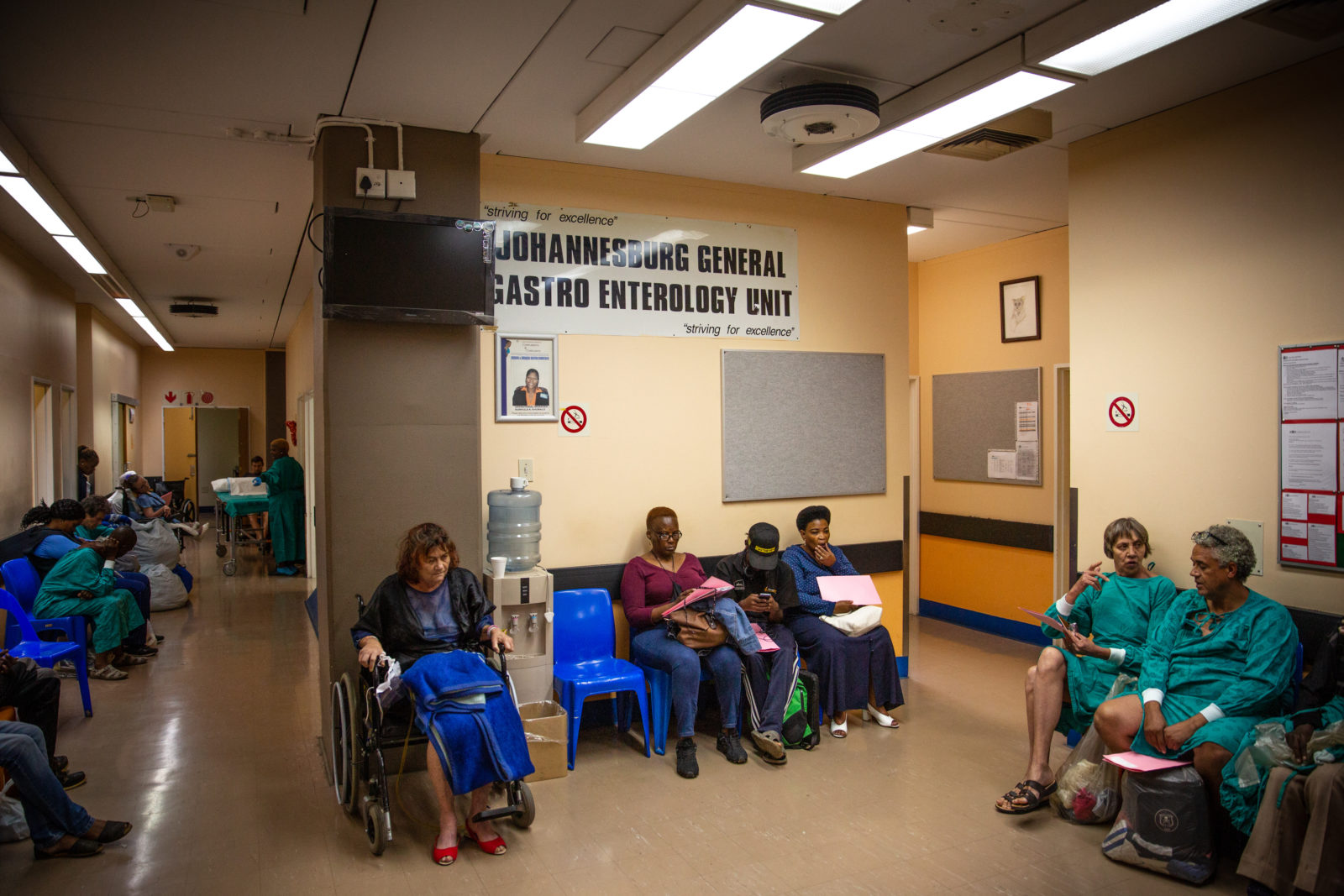
We must build an equitable, unified and sustainable health system that delivers good-quality healthcare to all according to need rather than means (an important distinction that lies at the heart of much of the debate).
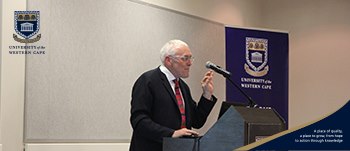
Prof Anthony Costello delivered the 2018 Annual David Sanders lecture entitled “The Social Edge: The Power of sympathy groups for health and sustainable development”.
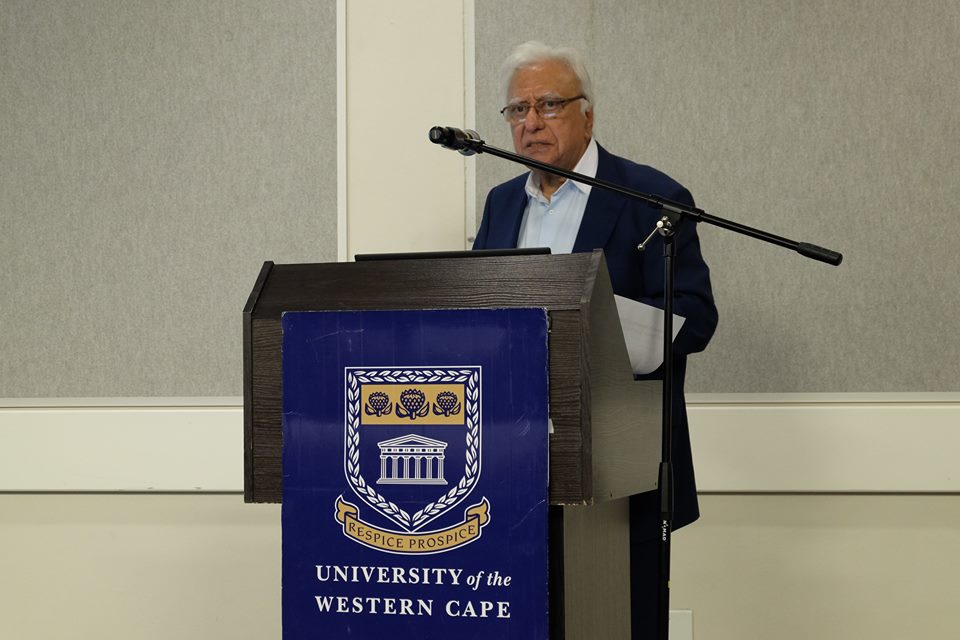
Prof. Hoosen Coovadia addressed in his lecture the concepts of fairness, equality and equity with a focus primarily on the stratifcations based on race, gender and the private/public dichotomoies.