- Webinars
- Discussion forums
- Weekly activities
- Two written assignments
Dr Hazel Bradley
E: hbradley@uwc.ac.za
VIEW PROFILE

23 March 2026
Pharmaceutical systems are central to resilient health systems and equitable access to care. The Pharmaceutical Public Health programme at the University of the Western Cape equips professionals with practical policy, management, and rational medicines use competencies to address priority public health challenges across Africa.
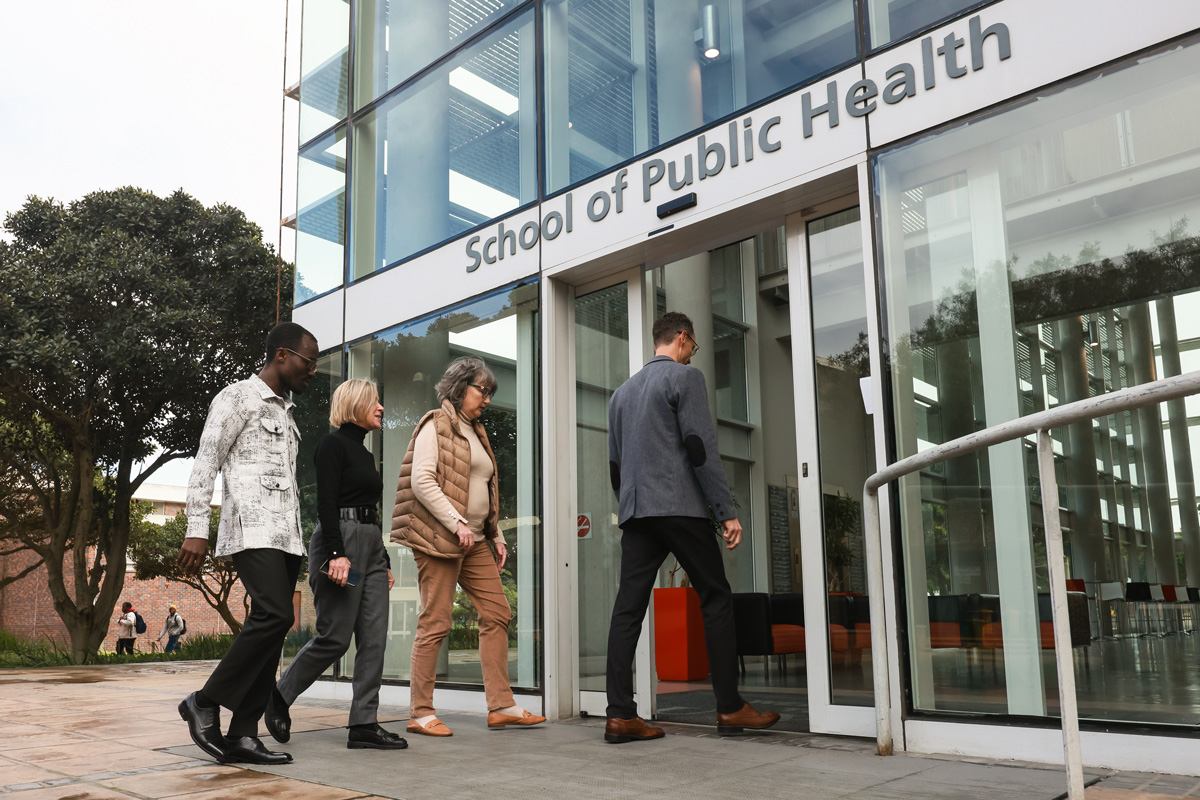
There is an urgent need to build new competencies and leadership capacity to ensure the availability, acceptability, affordability, quality and appropriate use of essential medical products within complex and resource-constrained settings. Strengthening these dimensions is fundamental to improving health outcomes, protecting the effectiveness of existing therapies, and advancing equitable access to care.
These Masters-level modules may be taken as individual stand-alone modules or as part of the Master of Public Health (MPH) at the University of the Western Cape (UWC), South Africa.
Current and future policymakers Policy advisors and managers Consultants
Academics interested in pharmaceutical systems and policy implementation
South African applicants (including African citizens): R5,570 (approx. US $350) International applicants: R17,690 (approx. US $1,000)
South African applicants (including African citizens): R5,860 (approx. US $350) International applicants: R18,960 (approx. US $1,000)
Applicants must hold a relevant professional qualification at the Bachelor’s Honours level (equivalent to South African NQF 8).
If your qualification was obtained outside of South Africa, you must apply for a Certificate of Evaluation from the South African Qualifications Authority (SAQA) before starting the module.
Given that this process can take several months, it is strongly recommended to apply to SAQA as early as possible.
Application deadline is 14 June 2026