

ACADEMIC PROGRAMMES
After 28 years of offering annual Summer and Winter Schools the CPD activities in the SOPH are changing to accommodate new needs in the public health community, and to make use of expanded opportunities for online learning. Watch this space for announcements of webinars, short courses and other activities from mid-2021
FIND OUT MOREThe School of Public Health at the University of the Western Cape, South Africa, equips graduates with the knowledge and skills to contribute to transforming the health and welfare sectors in developing countries and improving the health status of populations.
The School of Public Health at the University of the Western Cape offers structured modular postgraduate programmes through e-learning. Students are expected to have access to a digital device (a laptop, or at least a tablet, is a requirement) as well as access to stable internet connectivity as most of the learning is facilitated on the university learning management system and through a series of online webinars.
We have also developed a set of frequently asked questions (FAQS) about the PGD and MPH programmes which we suggest you also take a look at before you proceed with your application
Programmes on offer
Shape the Future of Public Health Applications for 2027 opening soon
Are you ready to lead change in the health and social development sectors? At the School of Public Health, University of the Western Cape, our flexible, modular Postgraduate Diploma in Public Health (PGD) and Master of Public Health (MPH) programmes are designed for working professionals across Africa and beyond.
Postgraduate Diploma in Public Health (NQF Level 8)
The PGD in Public Health aims to provide graduates with an overview of Public Health, with an emphasis on health sector transformation, district health services and the Primary Health Care approach.
Master of Public Health (NQF Level 9)
The Master of Public Health (MPH) aims to equip graduates to: identify, quantify and prioritise health needs at the population level; design, implement and evaluate Public Health interventions or programmes and policies; demonstrate leadership in transforming aspects of the health services and system; and to conduct related research.
PhD in Public Health (NQF Level 10)
The UWC School of Public Health (SOPH) welcomes your interest in its PhD Programme.
Ready to apply for 2027?
Applications for the 2027 intake open through the University of the Western Cape. The application window usually runs from May to the end of September — apply online at UWC, then complete the SOPH application form we send you. Not sure which programme fits? Get in touch and we’ll help.
The Programme Handbook
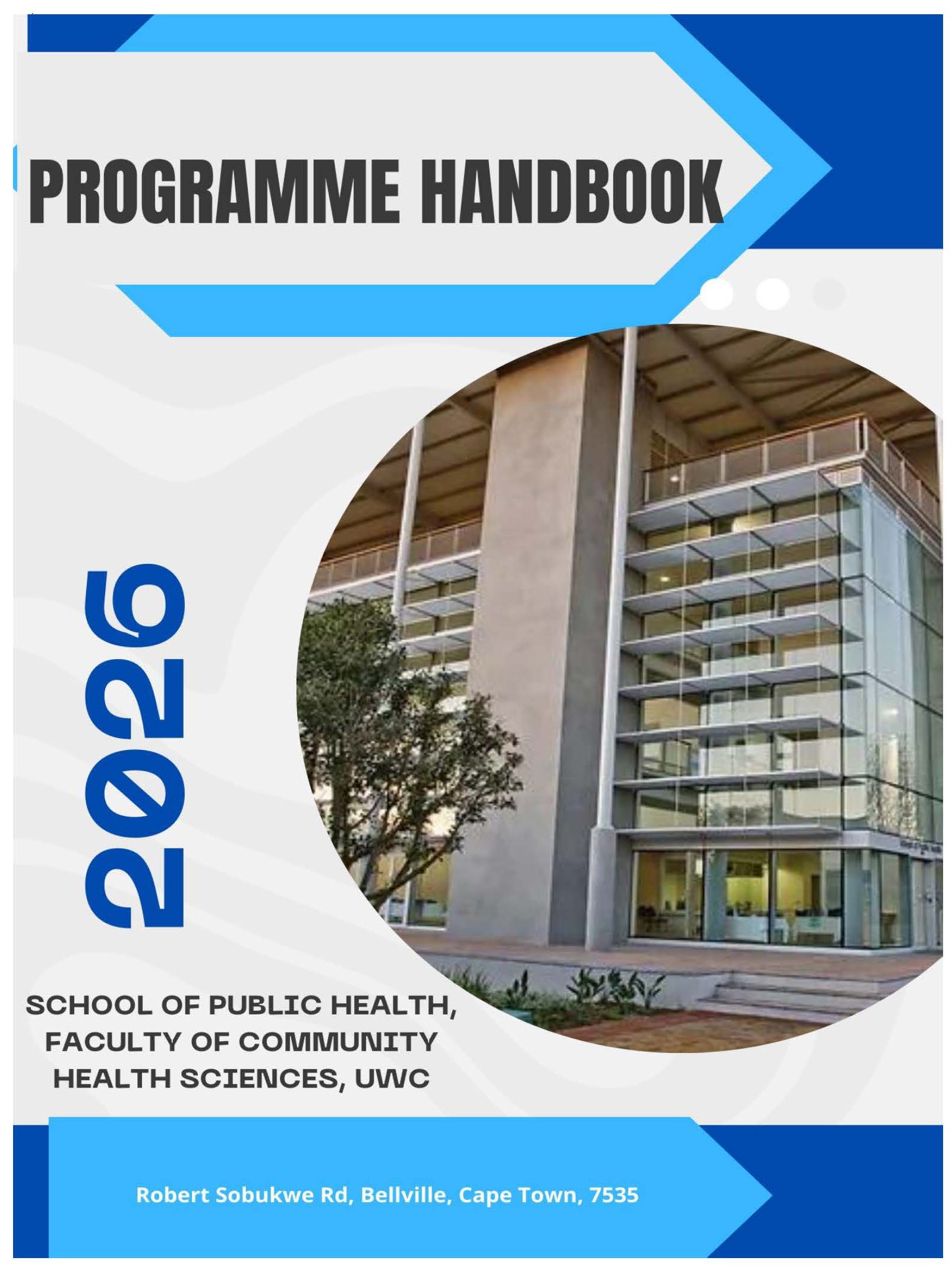
The Soph Programme handbook provides detailed information about all our academic programmes.
The School of Public Health at the University of the Western Cape, South Africa, equips graduates with the knowledge and skills to contribute to transforming the health and welfare sectors in developing countries and improving the health status of populations. Students can study while they work, and gain credits incrementally towards a Master of Public Health (MPH) or Post Diploma (PGD) in Public Health. These flexible, modular Programmes use text-based and e-learning as its learning media, with optional contact sessions in Cape Town in February/March and June/July every year.
STUDENT VOICES
Renda Underwood
Seychelles (2024 MPH Cohort)
I have seen how I have grown from the PGD in Public Health and the MPH year one. Engaging with the Management Strategies module has left me with so many great and useful tools that I will surely use to the maximum. As a future manager, I have started to see more of what the life of a manager entails and that to succeed I need to apply what I have learnt and keeping in mind that one should not only be a manager but a leader as well. That is a manager who leads
Bakic Malith, South Sudan (2024 MPH Cohort)
South Sudan (2024 MPH Cohort)
I started sleeping more and stopped checking emails during breakfast. Initially, I was rushing through my mornings to get as much done as possible, but I later realized that starting the day with a calm routine made me more productive. I also shifted focus from internal tasks to external community engagement, reflecting my growing leadership role and desire to impact.
Marelebogile Pooe
Lesotho (2024 MPH Cohort)
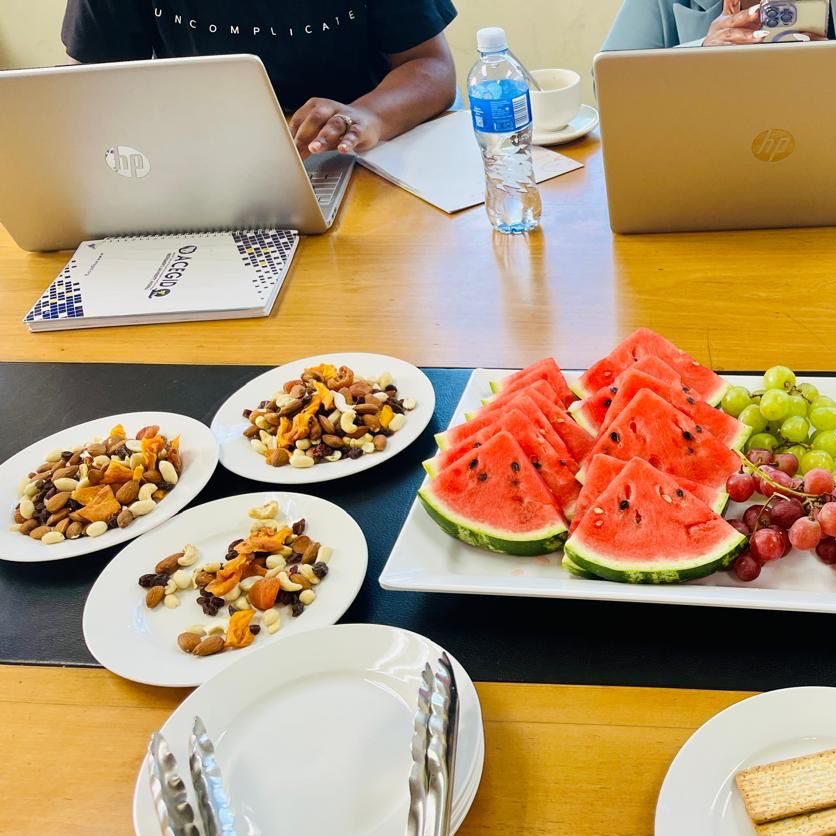
The management strategies module has helped me realise the subtle powers I have to influence people’s healthier food choices. Because I am responsible for sourcing caterings for our workshops, and we host a lot of workshops! In our last workshop, I had the caterer provide us fruits and nuts as part of our tea break as an alternative to sandwiches and muffins and all the sweet stuff we normally serve. I am sharing with you one of the pictures from the tea break servings. What I hadn’t anticipated was how much everyone would appreciate the switch. Before I did this, I would normally make arrangements for just me because I am on a strict no sugar, low carb diet. It hadn’t occurred to me that given the choice, people would want to take the healthier route.

Bakhtiaar Banu Parker, South Africa (2024 MPH Cohort)
South Africa (2024 MPH Cohort)
The shift from a task-oriented mindset to a more reflective, purpose-driven approach has enriched my daily management practices. These changes have improved my interactions and productivity, equipping me with strategies to better handle daily challenges and remain connected with those around me. This course has instilled in me a deeper sense of purpose, which I aim to sustain and refine as I continue my journey as a manager. Watching the video on “The 5 Generations in the Workplace” fundamentally changed my perspective on team dynamics. It emphasized the value of recognizing and appreciating the unique contributions of each generation. This has led me to foster an environment where diverse viewpoints are celebrated and leveraged for better team performance. I now actively seek ways to encourage collaboration and communication among all team members, understanding that this diversity enhances creativity and problem-solving.
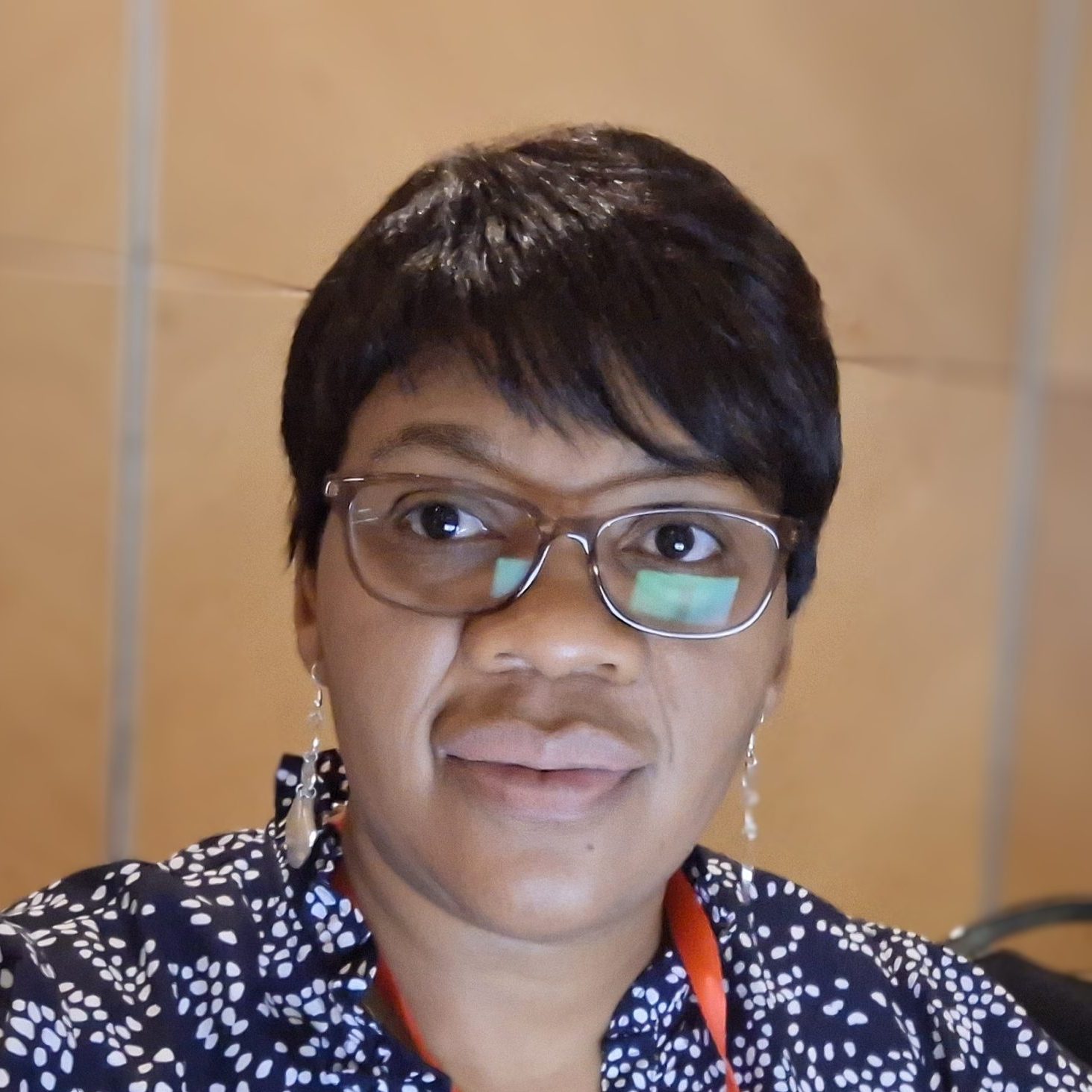
Laura Muzingwani, South Africa (2024 MPH Cohort)
South Africa (2024 MPH Cohort)
My background in a conflict-averse environment influenced my mindset, but I began to see conflict differently. Exposure to various perspectives highlighted that constructive conflict could foster collaboration and innovation, aligning with my responsibilities as a leader to guide team discussions and problem-solving. In summary, the conflict profile exercise has helped me make intentional adjustments in managing conflict. I am now more confident in navigating disagreements, seeing them as necessary components of effective leadership and organizational success.
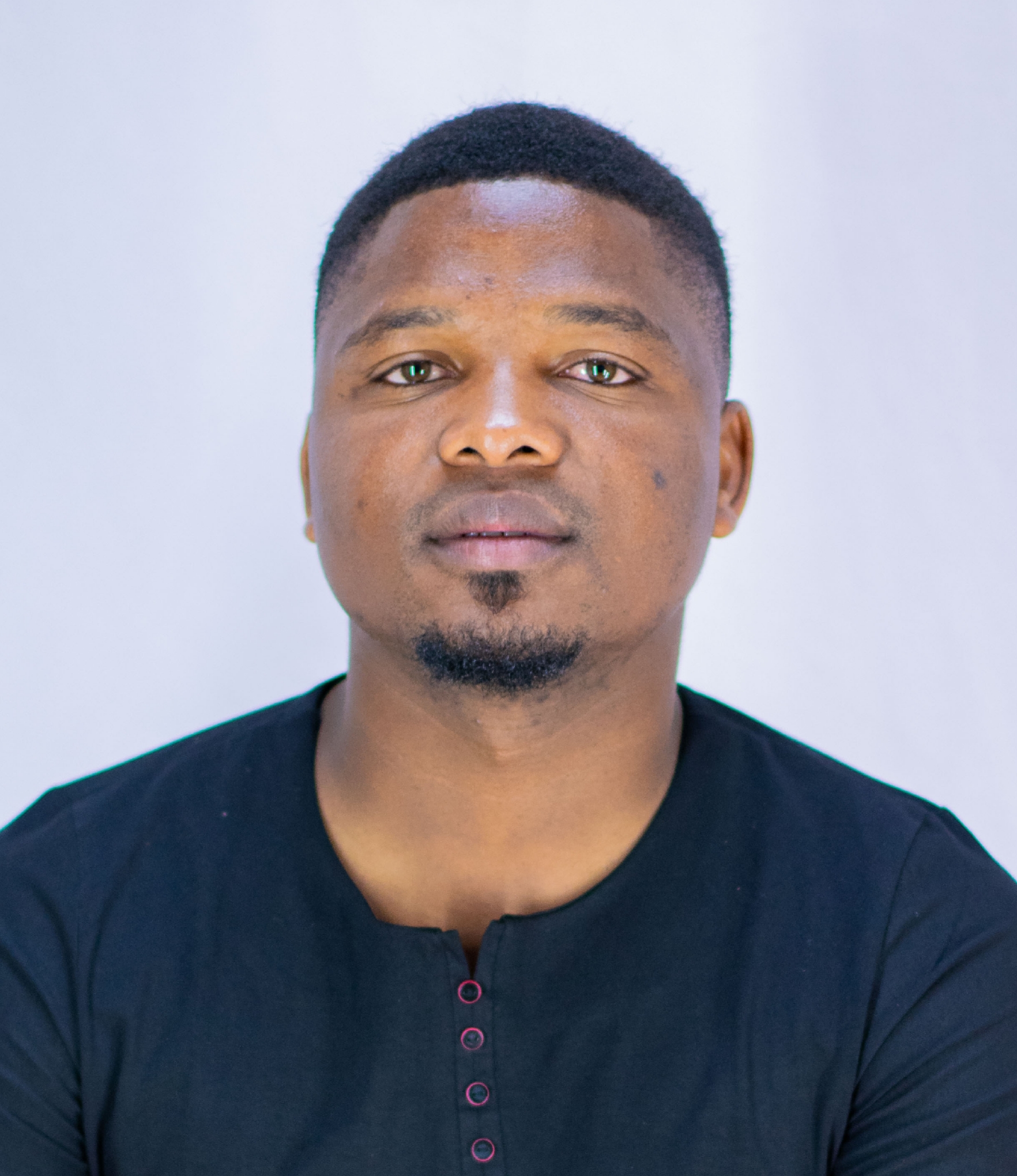
Maclear Masambuka, Malawi (2024 MPH Cohort)
Malawi (2024 MPH Cohort)
I was exceedingly pleased to have successfully scanned through the article in merely 15 minutes on my initial attempt. Mastering the skill of reading and understanding articles is essential and a longstanding goal of mine, as I aspire to specialize in health research and publishing. The progress I made on that day instilled in me a sense of being on the correct trajectory, and it motivated me to engage in further reading. Over the subsequent days, I read and practiced seven additional articles. I reasoned that rapidly mastering this skill would significantly streamline my mini-thesis writing process.